
Have you ever chatted with a tiny baby who answered only in milk bubbles and happy squeals? That sweet, funny exchange marks the true beginning of real human speech. Your daily routines hold great power to encourage language development from birth. Let us explore natural ways to build your baby’s communication skills right at home through simple daily habits.
The Magic of Early Sounds and Infant Communication
Long before saying their first real word, babies tune into every syllable around them. They watch your mouth move when you speak to them. They study your smiles, your laughs, and the rhythm of your voice. Pediatric specialists know that warm reactions help infants process everyday speech much faster. When you answer their little noises, they learn that their voice matters. Many parents look for mindful ways to understand family bonds better, sometimes exploring how divination can help parents support their children through gentle intuition and emotional awareness. This deep focus on connection mirrors how we tune into subtle vocal signals from our little ones every day. Listening with patience builds trust and invites your baby to share more sounds with you.
Parents often ask how to encourage speech development in babies under one year without buying fancy gear. The simple secret is listening closely, making steady eye contact, and treating every coo like real conversation. Simple exchanges help build early speech pathways long before formal words appear. These daily moments turn basic playtime into rich spaces where babies feel loved, heard, and eager to talk.
The Power of Parentese and Loving Tone
That high, sing-song voice you naturally use with babies is actually powerful speech fuel. Experts call this pattern parentese, and research shows babies prefer it over flat adult speech. It uses stretched vowel sounds, playful tones, and clear pauses that catch baby attention. This musical rhythm acts like a bright marker, helping tiny ears pick out individual sounds with ease. Stretch your vowel sounds when naming toys, like pointing to a bright blue ball. Keep your grammar real and clear, skipping random baby gibberish that lacks real structure. Pause for a few quiet seconds to give your infant time to respond. Look right into their eyes, since facial expressions help reinforce the sounds they hear.
Turning Babble into Real Conversational Turns
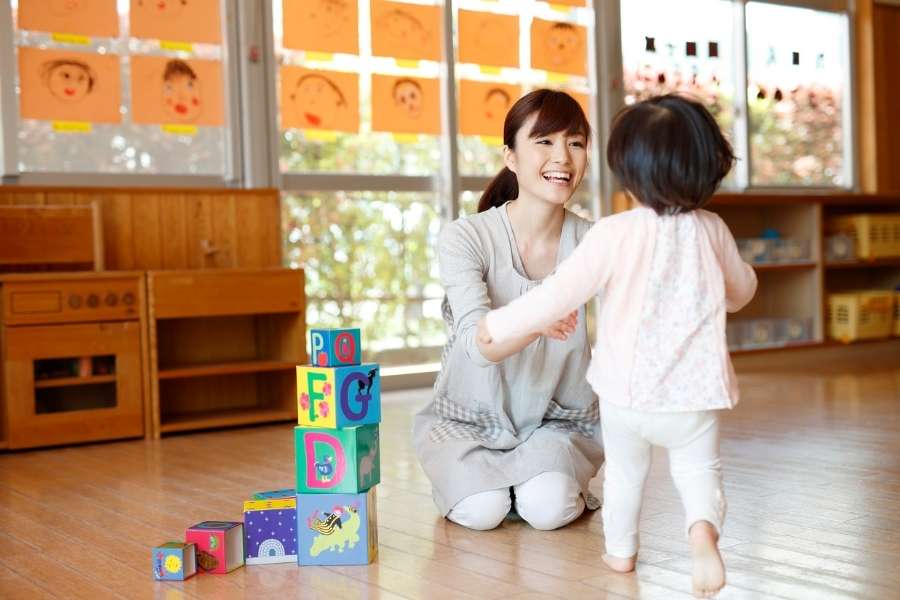
When your infant makes a sweet sound, treat it like an exciting story. Answering their noises teaches them the back-and-forth flow of human talk. They learn that voices take turns, that questions bring answers, and that someone always listens. This easy pattern builds trust and helps encourage language development through daily connection. Babytalk is not silly fluff; it is your child’s first step into the social world.
Understanding Key Milestones for Infant Language and Communication
Tracking your baby’s voice is about watching gentle, steady progress across their first year. Every child moves at their own personal pace, blooming when their body is ready. Some spend months watching quietly, while others babble loudly from the start. Knowing common patterns helps you cheer their steps without feeling nervous or rushed. Stimulating their senses in natural surroundings works wonders too, especially when you plan fun outdoor activities that boost your child’s physical and mental development during park strolls or backyard sensory play. Fresh air and lively outdoor sights inspire new sounds, pointing gestures, and joyful vocal discoveries. Watching these outdoor reactions gives you a clear window into their growing curiosity about the world.
Watching the usual milestones for infant language and communication keeps you relaxed and confident every single day. When you know what comes next, you can pick fun games that match their needs. Celebrating small wins keeps daily playtime joyful for the whole family. Here is how your baby’s voice grows through four unique stages of their first year.
From Reflexive Crying to Joyful Cooing (0 to 3 Months)
During the early weeks, crying is a baby’s main way to call for food, sleep, or dry pants. Around two months, sweet vowel sounds begin to take over your nursery. These soft coos show that your baby is learning to use breath and tongue muscles together. Smiling back at these sweet noises confirms that their voice creates warmth and closeness.
The Golden Stage of Playful Baby Babbling (4 to 7 Months)
Around five months of age, your living room will suddenly fill with cheerful new consonant sounds. This lively stage of baby babbling introduces repetitive chains like “ba-ba,” “da-da,” and “ma-ma” into your day. Your infant is testing their vocal range, trying out new pitches, volumes, and lip shapes. You can join the fun by copying their sounds and tossing new syllables back to them.
Shared Understanding and Intentional Gestures (8 to 12 Months)
Near the first birthday, your baby starts using their hands to share their feelings. They point toward toys, wave hello to grandparents, and shake their head to say no. They understand many everyday words long before they can say them out loud. Matching their physical gestures with spoken words helps build strong verbal skills for later months.
Tune into what your baby watches and share their focus immediately. Talk often and describe what you do using friendly words all day. Take turns patiently and wait quietly for your baby to answer with sounds or bright smiles.
Everyday Routines That Stimulate Cognitive Growth
You do not need special lessons to help your infant build strong communication skills. Regular tasks like folding laundry, giving baths, and preparing meals offer endless chances to talk. Describing simple objects gives real meaning to the sounds floating around your home. Natural household moments turn into rich learning opportunities that support lifelong cognitive growth.
Daily narration acts like food for your baby’s growing, hungry mind. When you explain your chores, your baby connects words with the physical world around them. They link the cold feeling of wet water to the word wet during bath time. This steady exposure helps the brain organize thoughts, group items, and understand early speech rules. Name ingredients while cooking lunch, showing off the red apples and yellow squash. Turn diaper changes into a body game by naming knees, toes, and little bellies. Point to birds, trees, and passing cars while pushing the stroller around your block. Sing sweet bedtime songs each night to relax their body and highlight speech rhythms.
The Transformative Role of Interactive Reading
Sharing a colorful board book does far more than help a tired baby fall asleep. Reading aloud introduces rare words that you might never use in casual chatter. Pediatric specialists point out that early book time builds strong foundations for future learning. Looking at bright pictures together creates a quiet bubble of warmth and shared wonder.
The true magic comes from lively interactive reading rather than just reading words on a page. You never have to rush through every printed sentence to make reading time count. Point to animal pictures, make silly animal sounds, and let small hands hold the thick cardboard. This tactile play keeps babies engaged and helps encourage language development from the start.
Choosing the Right Books for Curious Hands
Newborns notice high-contrast black-and-white images best, while older babies love books with textures and peekaboo flaps. Sturdy board books survive chewing, dropping, and rough handling by energetic little fingers. Strong cardboard pages make it easy for clumsy hands to practice turning pages all by themselves. Pick cloth or thick board books featuring clear black-and-white patterns for young infants. Select touch-and-feel books with fuzzy patches to stimulate hands and ears together. Choose titles with large photos of smiling baby faces to catch their interest. Look for rhyming stories with repeated phrases that baby ears can easily follow.
Bringing the Story Alive with Tone and Movement
Turn storytime into a tiny show by changing your tone and making funny faces. Lower your voice to a whisper, then sound surprised on the next page. Pair your words with tickles on their tummy or gentle bounces on your knee. These physical actions make words concrete, helping your infant remember what each sound represents.
Proven Activities to Strengthen Verbal Skills
Babies learn best through warm laughter, shared games, and relaxed play with the people they love. Play is the real work of childhood, offering a safe path to explore the world. When you sit on the rug and play together, your baby absorbs sounds without any pressure. Joyful moments keep their curious brain relaxed, active, and ready for new words.
Trying the best activities to boost baby vocabulary makes your afternoon playtime lively and engaging. These easy games encourage vocal sounds while teaching both of you to focus on the same toy. Research shows that sharing focus helps babies map words to things much faster. Try spending fifteen quiet minutes on the floor each day with these simple games. Play peek-a-boo behind a blanket to teach object permanence and prompt sweet giggles. Stack soft building blocks and yell a dramatic boom when they tumble down. Blow soap bubbles and say pop each time a bubble bursts. Shake rattles and tap small toy drums to help your baby feel musical rhythm.
Spotting Signs of Normal Speech Development in Babies
Because every baby develops differently, parents often wonder if their little one is moving along well. Speech relies on the vocal cords, tongue, ears, and brain working together as one team. Tracking your baby means looking at overall connection rather than stressing over a single calendar date. Steady eye contact, friendly smiles, and curiosity show that communication is blooming properly.
Watching for signs of normal speech development in babies helps you relax and enjoy the process. Good signs include turning toward family voices, noticing sudden sounds, and playing with different voice pitches. Babies also show progress by copying facial moves and pointing toward items they want. Keeping the whole picture in mind protects you from useless stress and unfair comparisons.
If your baby stops making sounds, ignores your face, or does not notice loud noises, talk to your pediatrician. Early care teams offer wonderful guidance to support families whenever hearing or speech needs extra help. Trust your gut feelings, because early support brings great outcomes and peace of mind. Getting timely advice ensures your child keeps building the tools needed for natural language acquisition.
Navigating Screen Time and Digital Pitfalls
Many brightly colored apps, videos, and noisy toys claim they teach babies how to speak early. These ads promise that animated cartoons and musical buttons will accelerate your child’s early speech skills. Yet health authorities, like the World Health Organization, advise zero screen exposure for infants under eighteen months. Decades of research prove that babies cannot transfer flat screen animations to the real physical world.
Passive viewing takes away time from real human chats that fuel true early learning. Flashing lights can overwhelm delicate nervous systems, leading to poor sleep and shorter attention spans. Noisy plastic toys that talk also tend to reduce the natural speech parents share at home. Real human faces, gentle smiles, and live voices remain the absolute best way to encourage language development naturally.
Frequently Asked Questions
How can I tell if my baby understands words before talking?
Babies understand speech many months before they say their first real word out loud. You can tell they understand when they look at a family member whose name you say. They may look toward the family dog, follow your pointing finger, or stop moving when hearing no. These simple reactions show that their receptive speech skills are working well every day.
Does speaking two languages at home confuse a baby?
No, growing up in a bilingual home does not cause confusion or create permanent delays. A baby’s flexible brain easily processes two language systems at the same time without long-term problems. While bilingual babies might speak their first words a bit later, their total vocabulary matches other peers. Keep things simple by having each caregiver speak their native language with natural ease.
What should I do if my ten-month-old does not babble consonants?
If your ten-month-old is not making sounds like ba-ba or da-da, reach out to your pediatrician. The doctor can check their developmental progress and look inside their ears for fluid buildup. Fluid behind the eardrum can muffle speech sounds and delay normal babbling practice. Meanwhile, sit face-to-face, speak clearly, and copy any little noises your baby makes.