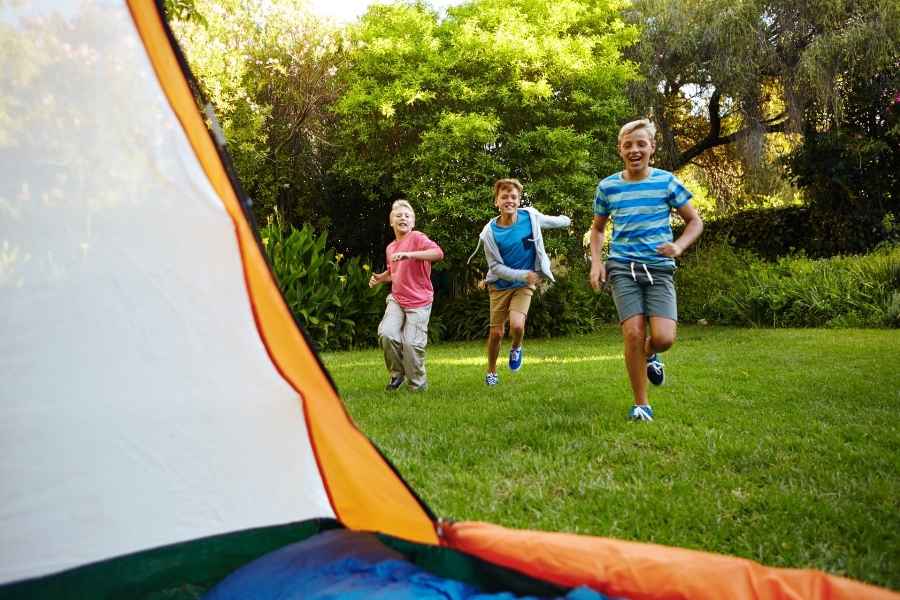
Have you ever watched a child’s face light up the moment they step into a backyard or a local park? There is an undeniable, almost magnetic pull between children and the open air that goes far beyond simple fun. Engaging in regular Outdoor Activities is not just a way to burn off extra energy before naptime; it is a fundamental pillar of healthy growth that nurtures the body and the mind simultaneously. In a world increasingly dominated by glowing screens and sedentary indoor habits, rediscovering the joy of outdoor play has become more crucial than ever for the modern family. Imagine your child’s brain as a garden that requires the right environment to flourish, where every breath of fresh air and every scraped knee serves as a vital nutrient for their future success.
The benefits of being outside are backed by extensive research from institutions like the American Academy of Pediatrics, which emphasizes that childhood learning is deeply enhanced through unstructured exploration. When children participate in various Outdoor Activities, they are not just playing; they are conducting mini-scientific experiments with gravity, friction, and biology. This natural setting provides a complex, multisensory playground that indoor environments simply cannot replicate, fostering a sense of wonder and resilience that stays with them for a lifetime.
Strengthening the Foundation Through Active Play
The physical side of growth is perhaps the most visible benefit when we discuss how Outdoor Activities impact a young life. From the moment a toddler takes their first wobbly steps on uneven grass, they are engaging their gross motor skills in ways that a flat carpeted floor never requires. This constant adjustment to different terrains builds core strength and balance, providing the literal foundation upon which all other physical talents are built. It is truly remarkable to see how a simple afternoon spent climbing or running can translate into better posture and physical confidence in other areas of their daily routine. Leran about safe baby products.
Beyond just muscle growth, the regular practice of physical activity in the sunshine ensures that children receive adequate Vitamin D, which is essential for bone health and immune system support. When we prioritize Outdoor Activities, we are essentially giving our children a natural health supplement that improves their sleep quality and cardiovascular health. It is a holistic approach to wellness that starts with the simple act of opening the front door and letting the adventure begin.
Traditional Games and Functional Coordination
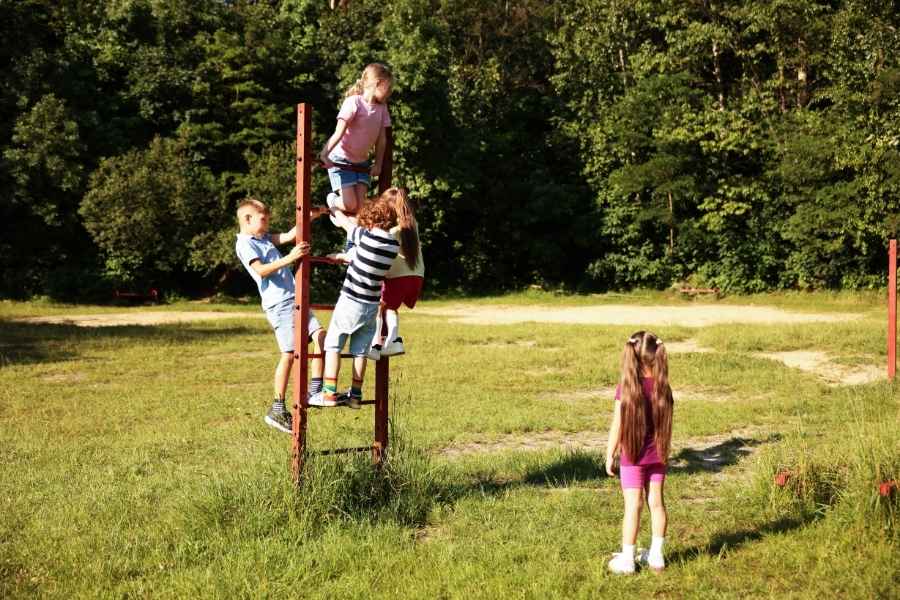
One of the most effective ways to enhance a child’s coordination is through classic games that require timing and precision. Activities like playing catch, kicking a soccer ball, or navigating an obstacle course are essentially high-level training sessions disguised as pure entertainment. These nature activities teach the brain how to communicate effectively with the limbs, refining the neural pathways responsible for hand-eye synchronization. As they master these movements, children develop a sense of mastery over their own bodies, which is a massive boost to their developing self-esteem.
If you are looking for the best outdoor activities for toddlers physical development, look no further than simple “follow the leader” games across different natural textures. Navigating over roots, under branches, and through tall grass forces the brain to calculate spatial awareness in real-time. This type of outdoor play is superior to any indoor gym because the environment is unpredictable and ever-changing, requiring constant mental and physical adaptation. Many families find that outdoor games that develop coordination in young children are the most rewarding ways to spend a Saturday morning.
Mental Health and the Calming Power of the Wild
While the physical perks are obvious, we must also consider how outdoor play benefits child mental health on a deeper emotional level. Nature acts as a powerful buffer against stress and anxiety, even for the very young, by providing a “soft fascination” that allows the mind to rest and recover from the overstimulation of modern life. When children engage in Outdoor Activities, their cortisol levels naturally drop, leading to improved mood regulation and a greater capacity for focus when they eventually return to their indoor tasks. Leran about safe products mom.
The sense of freedom found in the woods or a large field encourages independent thinking and problem-solving. In an outdoor setting, the “rules” are dictated by the environment rather than an adult, allowing for a healthy dose of risk-taking and autonomy. This aspect of child development is critical for building grit and emotional intelligence, as children learn to navigate social dynamics with peers and overcome small environmental challenges on their own terms. Experts often point to these moments as the true beginning of leadership and self-reliance.
Sensory Exploration and Cognitive Growth
For those seeking nature-based activities for children under 6, focusing on sensory play is the ultimate strategy for cognitive advancement. Think about the texture of dry leaves, the smell of damp earth after rain, or the sound of wind whistling through the pines. These experiences are rich with data that the developing brain hungries for, creating new synaptic connections every time a child touches a pinecone or watches an ant carry a crumb. Outdoor Activities provide a laboratory where all five senses are engaged simultaneously, leading to a much deeper level of retention and understanding.
This type of immersion is a key component of childhood learning, as it encourages curiosity and a scientific mindset. By observing the life cycles of plants and animals firsthand, children develop an early appreciation for the environment and their place within it. These Outdoor Activities bridge the gap between abstract concepts in books and the tangible reality of the world, making education feel like a living, breathing journey rather than a chore. Whether it is digging in the dirt or splashing in a stream, the lessons learned are permanent.
Frequently Asked Questions about Outdoor Activities
Which specific Outdoor Activities are best for improving a child’s focus?
Activities that involve “green time” and natural scenery are particularly effective for children who struggle with attention or hyperactivity. Walking through a wooded trail or engaging in a scavenger hunt requires a blend of observation and movement that helps ground the child’s energy. Research suggests that even twenty minutes of outdoor play in a park-like setting can significantly improve a child’s ability to concentrate on subsequent indoor tasks.
Are there specific outdoor games that develop coordination in young children?
Yes, games like “The Floor is Lava” using tree stumps or stepping stones are incredible for building balance and spatial reasoning. Additionally, simple activities like hopscotch or throwing beanbags into buckets help refine the coordination needed for writing and other fine motor tasks later in life. These Outdoor Activities provide a fun, low-pressure environment where children can practice complex movements repeatedly until they become second nature.
How much time should my child spend doing physical activity outside each day?
Most health experts recommend that children get at least sixty minutes of moderate to vigorous physical activity daily, with a large portion of that preferably occurring outdoors. This time can be broken up into smaller sessions throughout the day to keep things fresh and engaging. Consistent exposure to Outdoor Activities ensures that the child maintains a healthy weight and develops the stamina necessary for a long, healthy life. This daily commitment is a vital part of long-term child development.