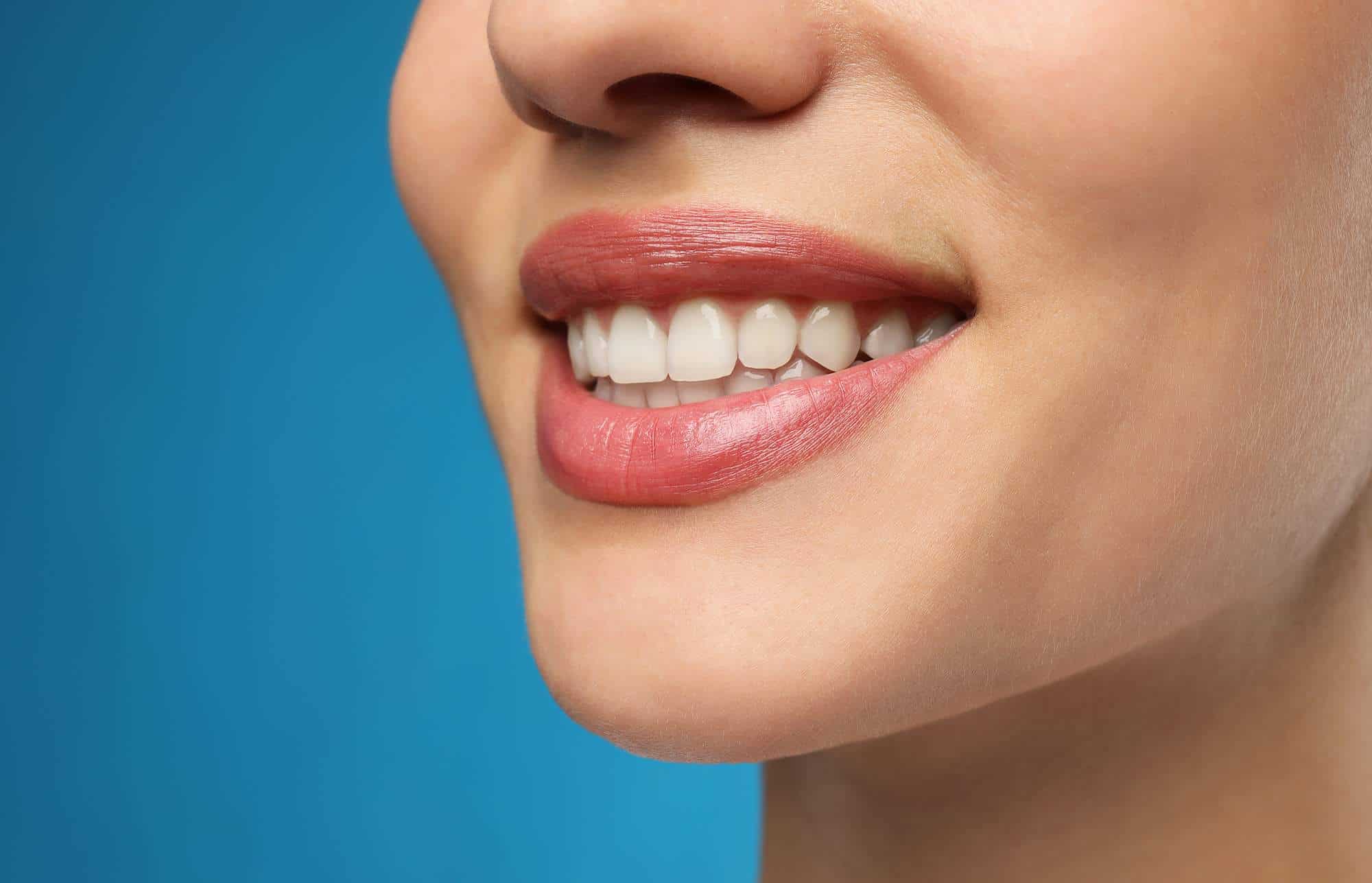
For many adult patients, the idea of correcting crooked or misaligned teeth is often associated with long, visible treatments or, in more advanced cases, with the fear of surgical intervention. In reality, contemporary orthodontics has evolved considerably, and Dental Alignment Geneva now offers a range of non-surgical solutions capable of addressing most mild-to-moderate cases through gradual, controlled movement of the teeth. Modern protocols combine biomechanics, digital planning, and discreet appliances to deliver results that respect both the natural anatomy and the patient’s daily life.
The growing demand for non-invasive orthodontic care reflects a broader cultural shift. Patients increasingly look for treatments that are predictable, comfortable, and compatible with professional and social routines. In a city like Geneva, where aesthetic standards meet a strong tradition of medical excellence, this expectation has accelerated the adoption of digital workflows and transparent appliances.
Why non-surgical orthodontics is now the standard approach
Surgical correction of the jaw, known as orthognathic surgery, is reserved for skeletal discrepancies that cannot be resolved by tooth movement alone. The vast majority of dental misalignments, however, fall outside this category and can be treated through orthodontic appliances. Dental Alignment Geneva relies on this principle: whenever the underlying bone structure is balanced, teeth can be repositioned through controlled forces, without the need for invasive procedures.
A clinical overview published in the European Journal of Orthodontics emphasizes that early and accurate diagnosis is the key factor in distinguishing dental cases that benefit from non-surgical treatment from those that require a combined orthodontic-surgical approach. Modern imaging and 3D analysis make this distinction far more reliable than in the past.
This diagnostic precision allows practitioners to propose a tailored plan from the very first consultation, explaining clearly what can be achieved with appliances alone and what remains beyond their scope. Transparent communication on these limits is an essential part of contemporary clinical practice.
The main non-surgical options in Dental Alignment Geneva
Several techniques can be used to realign teeth without surgery. The choice depends on the type and severity of the misalignment, the patient’s age, the condition of the supporting tissues, and personal preferences regarding aesthetics and comfort. The most common approaches include:
- transparent aligners, removable devices made of medical-grade plastic that shift the teeth gradually through a sequence of trays;
- ceramic or self-ligating brackets, fixed appliances that are less visible than traditional metal braces;
- lingual orthodontics, in which the brackets are placed on the inner side of the teeth and therefore remain invisible from the outside;
- interceptive appliances for adolescents, designed to guide growth and prevent more complex problems later in life;
- retainers, used after active treatment to stabilize the new position of the teeth over time.
Each of these options has its own indications. Transparent aligners, for example, are particularly suited to mild and moderate cases and require strict compliance, while fixed appliances may be preferred for more complex movements that demand continuous control.
How digital planning supports non-surgical realignment
One of the reasons why non-surgical treatments have become so reliable is the integration of digital tools into everyday orthodontic practice. Intra-oral scanners replace traditional impressions, capturing the geometry of the teeth and gums in a few minutes. The resulting three-dimensional model is then used to plan every step of the treatment, anticipate tooth movement, and simulate the final result.
Research published in Progress in Orthodontics shows that digital workflows significantly improve the predictability of orthodontic outcomes, particularly when treatment relies on aligners. The ability to model biomechanical forces and visualize movements before treatment begins reduces uncertainty for both the practitioner and the patient.
Digital planning also allows for ongoing adjustments. If a tooth does not respond as expected, the plan can be refined and a new set of aligners or appliances produced. This iterative approach, supported by 3D analysis, is one of the main reasons why non-surgical Dental Alignment Geneva treatments have become more efficient over the past decade.
What patients can realistically expect
Non-surgical realignment is a gradual process. Depending on the complexity of the case, treatment can last from a few months to two years, sometimes more. Movements occur slowly because the surrounding bone needs time to remodel around the new tooth position. Pushing this process too quickly would compromise stability and long-term results.
During treatment, patients can generally expect:
- regular check-ups every four to eight weeks, depending on the appliance used;
- mild discomfort during the first days after each adjustment or tray change;
- a temporary adaptation period for speech and chewing;
- the need for strict oral hygiene to protect both teeth and gums;
- a retention phase after active treatment to maintain the result.
Realistic expectations are essential. Non-surgical orthodontics can correct crowding, spacing, mild rotations, and many bite issues, but it cannot reshape the bone structure of the face. When a patient presents with a severe skeletal discrepancy, a combined surgical and orthodontic plan may be discussed; in all other cases, appliances alone can deliver excellent results.
Oral health benefits beyond aesthetics
Realigning teeth is not only a matter of appearance. Well-aligned teeth are easier to clean, which reduces the accumulation of bacterial plaque between them. This, in turn, lowers the risk of gum inflammation and cavities. A balanced occlusion also distributes chewing forces more evenly, reducing wear and the load on the temporomandibular joints.
Several studies published in Clinical Oral Investigations confirm that dental misalignment is associated with a higher risk of gingivitis, interdental decay, and premature enamel wear. By correcting these alignment problems early, orthodontic treatment contributes to long-term oral health and not just to cosmetic improvement.
Choosing the right treatment plan
The first step of any Dental Alignment Geneva treatment is a complete clinical and radiographic evaluation. The practitioner assesses the position of the teeth, the health of the gums, the occlusion, and the temporomandibular joint. Photographs, intra-oral scans, and panoramic or 3D imaging are typically combined to build a precise diagnosis.
An overview of the orthodontic and aesthetic options available locally can be consulted, for example, on the treatment page of Geneva Smile Center, a Geneva-based clinic specialized in advanced dental care, where invisible aligners and other contemporary appliances are presented within a broader range of solutions. Comparing different proposals is generally a good practice before starting any long-term treatment.
It is equally important to clarify the costs, the expected duration, the level of compliance required, and the retention strategy that will follow the active phase. Realignment without surgery is a long-term project, and a clear understanding of these elements helps the patient stay motivated throughout the treatment.
Evidence-based orthodontics: where to find reliable information
Patients who wish to deepen their understanding of orthodontic options can rely on peer-reviewed sources rather than generic online content. Independent reviews, such as those produced by the Cochrane Library on dentistry and oral health, provide systematic analyses of clinical evidence on orthodontic appliances, aligners, and retention protocols. This kind of resource helps patients formulate informed questions during the consultation and better understand the rationale behind the proposed plan.
A modern, conservative path to a balanced smile
Dental Alignment Geneva today offers adults and adolescents a wide range of non-surgical options to correct the position of their teeth, improve oral function, and refine the appearance of their smile. Thanks to digital planning, advanced materials, and discreet appliances, treatment has become more predictable and better adapted to the rhythm of contemporary life.
Approached with realistic expectations and supported by a careful diagnosis, non-surgical orthodontics can deliver lasting results while preserving the natural balance of the face. For most patients, surgery is not the answer to crooked teeth: a well-planned orthodontic treatment is.