Peptide serums have become the holy grail of anti-aging skincare, but do you really need to spend a fortune to see real results? The beauty industry would have you believe that effective skincare requires a luxury price tag. However, the truth is far more liberating. Affordable options exist that pack the same powerful punch as their high-end counterparts, delivering visible improvements to fine lines, wrinkles, and skin firmness without draining your bank account. Let’s explore how you can achieve youthful, radiant skin while staying within budget and why these mighty molecules deserve a permanent spot in your skincare routine.
Understanding How Peptide Serums Work Their Magic
Before diving into specific product recommendations, you need to grasp what makes these formulations so effective. Peptides are short chains of amino acids that act as building blocks for proteins like collagen, elastin, and keratin. Think of them as messengers that tell your skin cells to kick into high gear and start producing the structural proteins that keep skin looking plump and youthful.
When applied topically, anti-aging peptide serums penetrate the skin’s surface and signal fibroblasts to ramp up collagen production. This process doesn’t happen overnight, but with consistent use, you’ll notice improvements in skin texture, firmness, and the appearance of wrinkles. The beauty of peptides lies in their versatility. Different types target specific concerns, from reducing inflammation to improving skin barrier function.
What makes affordable options just as effective as luxury brands? The key lies in the peptide concentration and formulation quality, not the price tag. Many budget-friendly brands use the same peptide types as high-end products. They simply skip the fancy packaging and expensive marketing campaigns that inflate costs without adding value to the actual formula.
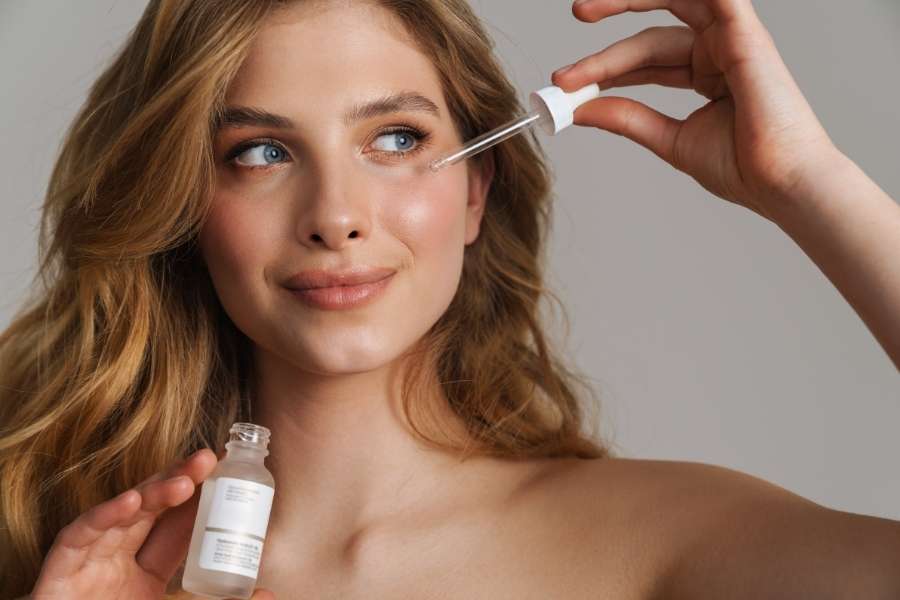
The Best Budget-Friendly Peptide Serums for Wrinkle Reduction
Finding affordable peptide serums for wrinkles doesn’t require endless searching or settling for inferior quality. Several drugstore and online brands have cracked the code on delivering professional-grade results at accessible prices.
The Ordinary’s “Buffet” serum stands as a prime example of accessible excellence. This multi-peptide formula combines several peptide complexes with hyaluronic acid for around fifteen dollars. Users consistently report smoother texture and reduced fine lines within weeks. The lightweight texture absorbs quickly without leaving residue, making it perfect for layering under moisturizer or makeup.
Inkey List offers another stellar option with their Peptide Moisturizer, which technically functions as a serum-moisturizer hybrid. Priced under twenty dollars, it delivers a powerful dose of peptides while providing hydration. The formula includes matrixyl, a well-researched peptide that stimulates collagen synthesis and improves skin elasticity.
CeraVe Skin Renewing Retinol Serum might surprise you on this list, but it contains peptides alongside retinol for a dual-action approach. At roughly thirty dollars, it’s still budget-friendly compared to luxury alternatives. The combination of peptides and retinol for anti-aging creates synergistic effects, addressing multiple signs of aging simultaneously.
Good Molecules has gained cult status for their Peptide Cream, available for under fifteen dollars. Despite the name, its texture resembles a serum more than a traditional cream. It features a blend of peptides that work to firm and smooth skin while supporting the moisture barrier.
What Makes These Peptide Serums Actually Deliver Results
You might wonder what separates effective formulations from disappointing ones. Several factors determine whether an affordable peptide serum will live up to its promises or leave you frustrated and disappointed.
Peptide concentration matters, but more isn’t always better. Quality formulations contain peptides at optimal percentages, typically between 2% and 10%, depending on the specific type. Too little won’t produce visible effects, while excessively high concentrations can irritate sensitive skin without providing additional benefits.
Formulation stability plays a crucial role in peptide efficacy. These molecules can degrade when exposed to light, air, or incompatible ingredients. Look for serums packaged in opaque or dark bottles with pump or dropper dispensers that minimize air exposure. Airtight packaging preserves the peptides’ potency throughout the product’s lifespan.
Supporting ingredients amplify peptide effectiveness. The best best budget peptide serums combine peptides with complementary actives like hyaluronic acid for hydration, niacinamide for brightening, or antioxidants for protection. These ingredients work together, creating a comprehensive approach to skin health rather than relying on peptides alone.
pH levels also impact how well peptides perform. Most peptides function optimally at a slightly acidic pH between 4 and 6. Reputable brands formulate their serums within this range to ensure maximum efficacy and skin compatibility.
How to Layer Peptide Serums in Your Skincare Routine
Even the most effective serum won’t deliver results if you’re not using it correctly. Peptide serum application techniques follow specific guidelines to maximize absorption and efficacy while preventing conflicts with other active ingredients.
Start with freshly cleansed skin, as peptides need direct contact with clean skin to penetrate effectively. Apply your peptide serum for mature skin immediately after cleansing, while your face is still slightly damp. This helps the serum spread evenly and enhances absorption.
The general rule for layering skincare follows a thin-to-thick consistency pattern. Since most peptide serums have a lightweight texture, they typically go on before thicker creams or oils. Wait about 60 seconds after applying your serum before moving to the next step. This brief pause allows the peptides to absorb without being diluted by subsequent products.
Can you use peptides with other actives? Absolutely, but timing matters. Peptides play well with most ingredients, including hyaluronic acid, niacinamide, and antioxidants. However, some controversy exists around combining peptides with acids or retinol in the same routine. While research suggests they can coexist, some people prefer alternating days or using acids in the morning and peptides at night to avoid potential interactions.
Morning application provides daytime protection and repair, while evening use supports overnight regeneration. Many people apply peptide serums twice daily for optimal results. If you’re just starting out, begin with once-daily application to gauge your skin’s response before increasing frequency.
Peptide Types and Their Specific Anti-Aging Benefits
Not all peptides are created equal, and understanding the differences helps you choose the right serum for your specific concerns. Different peptide families target distinct aspects of skin aging, from wrinkle formation to loss of firmness.
Signal peptides, like Matrixyl and palmitoyl pentapeptide, tell your skin to produce more collagen and elastin. These powerhouse ingredients address multiple signs of aging simultaneously, making them ideal for comprehensive anti-aging routines. Studies show signal peptides can reduce wrinkle depth by up to 30% with consistent use over several months.
Carrier peptides, such as copper peptides, transport trace elements essential for wound healing and enzymatic processes. They promote collagen synthesis while providing antioxidant benefits. Copper peptide serums for aging skin also help remove damaged collagen, making room for fresh, healthy collagen production.
Neurotransmitter-inhibiting peptides, including argireline, work similarly to botulinum toxin by reducing muscle contractions that cause expression lines. While less potent than injections, these peptides for forehead wrinkles offer a non-invasive alternative for softening dynamic wrinkles around the eyes and forehead.
Enzyme-inhibitor peptides slow down the breakdown of collagen and elastin by blocking enzymes that degrade these proteins. This preserves your skin’s existing structural support while other peptides work to build new collagen.
Combining Peptide Serums with Other Anti-Aging Ingredients
Creating an effective anti-aging routine requires strategic ingredient pairing. Peptide serums work synergistically with certain actives while potentially conflicting with others, making ingredient knowledge essential for optimal results.
Hyaluronic acid and peptides form a perfect partnership. While peptides rebuild skin structure, hyaluronic acid plumps and hydrates, creating an environment where peptides can work more effectively. This combination addresses both structural aging and surface dehydration, tackling aging from multiple angles.
Niacinamide enhances peptide benefits by improving skin barrier function and reducing inflammation. This vitamin B3 derivative brightens skin tone and minimizes pore appearance while allowing peptides to focus on deeper structural improvements. Many affordable formulations combine these ingredients for comprehensive anti-aging benefits.
The peptide and retinol debate continues among skincare enthusiasts. Some experts suggest avoiding simultaneous application, arguing that retinol’s low pH might deactivate peptides. However, many successful products contain both ingredients. If you’re concerned, alternate applications by using retinol at night and peptide serums in the morning, or switch between them on different days.
Antioxidants like vitamin C complement peptides beautifully. Vitamin C protects against environmental damage while supporting collagen synthesis, working alongside peptides to maintain youthful skin. Apply vitamin C in the morning for daytime protection and peptides at night for repair.
Real Results: What to Expect from Budget Peptide Serums
Setting realistic expectations prevents disappointment and helps you evaluate whether your chosen serum is working. Affordable peptide serums that work require patience and consistency, as visible improvements develop gradually rather than overnight.
Most people notice initial changes within 4 to 6 weeks of consistent use. Early improvements include enhanced hydration, smoother texture, and a subtle glow. Your skin may feel more supple and plump as peptides begin stimulating collagen production and improving moisture retention.
Significant wrinkle reduction typically becomes apparent around the 8 to 12-week mark. Fine lines soften first, followed by deeper wrinkles showing gradual improvement. Remember, peptides won’t erase deep wrinkles completely, but they can substantially reduce their appearance while preventing new ones from forming.
Skin firmness and elasticity improvements manifest after 3 to 6 months of dedicated use. This timeline reflects how long it takes for meaningful collagen rebuilding to occur. Your skin may appear lifted and more toned, particularly around the jawline and cheeks where sagging often first appears.
Long-term use yields the best results. Think of peptide serums for skin firmness as a marathon rather than a sprint. Consistent application over years maintains and builds upon initial improvements, keeping your skin looking younger and healthier than it would without intervention.
Shopping Smart: How to Choose Quality Peptide Serums on a Budget
Navigating the skincare market can feel overwhelming, especially when countless products claim miracle results. Developing discernment helps you identify genuine quality among budget options and avoid wasting money on ineffective formulations.
Check ingredient lists carefully, looking for peptides listed among the first 5 to 7 ingredients. Placement indicates concentration, as ingredients appear in descending order by percentage. If peptides lurk near the bottom after preservatives and fragrants, the product likely contains insufficient amounts to produce results.
Research specific peptide names rather than falling for vague “peptide complex” claims. Effective peptide serums for fine lines clearly identify their peptides, such as palmitoyl tripeptide-1, copper tripeptide-1, or acetyl hexapeptide-8. This transparency suggests a quality formula rather than marketing hype.
Read reviews from multiple sources, focusing on detailed accounts rather than brief ratings. Look for patterns in user experiences, noting both positive outcomes and potential issues. Before-and-after photos from regular users provide more realistic expectations than professional marketing images.
Consider the brand’s reputation and commitment to quality. Companies that invest in research, provide transparent ingredient information, and maintain good manufacturing practices typically produce reliable products. Many affordable brands now rival luxury counterparts in quality while maintaining accessible pricing.
Common Mistakes When Using Peptide Serums for Anti-Aging
Even the best serum won’t work if you’re making critical application or storage errors. Avoiding these common pitfalls ensures you get maximum value from your affordable anti-aging peptide serum investment.
Using too much product wastes money without improving results. Most serums require only 2 to 3 drops for the entire face and neck. Peptides work through targeted cellular signaling rather than sheer volume, so more product doesn’t accelerate results.
Inconsistent application undermines effectiveness. Skipping days or weeks disrupts the cumulative benefits that develop through regular use. Think of peptides like exercise for your skin. Sporadic workouts won’t build muscle, and irregular serum use won’t build collagen.
Storing products improperly degrades peptide stability. Keep your peptide serum for wrinkle reduction in a cool, dark place away from bathroom humidity and heat. Avoid leaving it on sunny windowsills or hot countertops where temperature fluctuations break down active ingredients.
Expecting instant results leads to premature product abandonment. Peptides require time to trigger biological processes that improve skin structure. Give your serum at least 8 weeks before deciding whether it works for you.
Neglecting sun protection sabotages your efforts. UV damage destroys collagen faster than peptides can rebuild it, negating your serum’s benefits. Always apply broad-spectrum SPF 30 or higher every morning, regardless of weather or indoor activities.
Budget-Friendly Peptide Serums Versus Luxury Options: The Real Difference
Is there truly a difference between drugstore and department store peptide formulations, or are you simply paying for prestige? Understanding what drives pricing helps you make informed decisions about where to invest your skincare budget.
Active ingredient quality remains remarkably consistent across price points. Many budget and luxury brands source peptides from the same suppliers, using identical raw materials. The peptides in a fifteen-dollar serum often match those in a two-hundred-dollar alternative.
Concentration might vary slightly, with some luxury products containing marginally higher peptide percentages. However, this difference rarely justifies dramatic price gaps. A well-formulated budget serum with 5% peptides will outperform a poorly formulated luxury product with 7% peptides every time.
Texture, scent, and cosmetic elegance represent areas where luxury products may excel. High-end brands invest in silky textures, pleasant fragrances, and elegant sensory experiences. While these factors enhance user enjoyment, they don’t impact anti-aging efficacy.