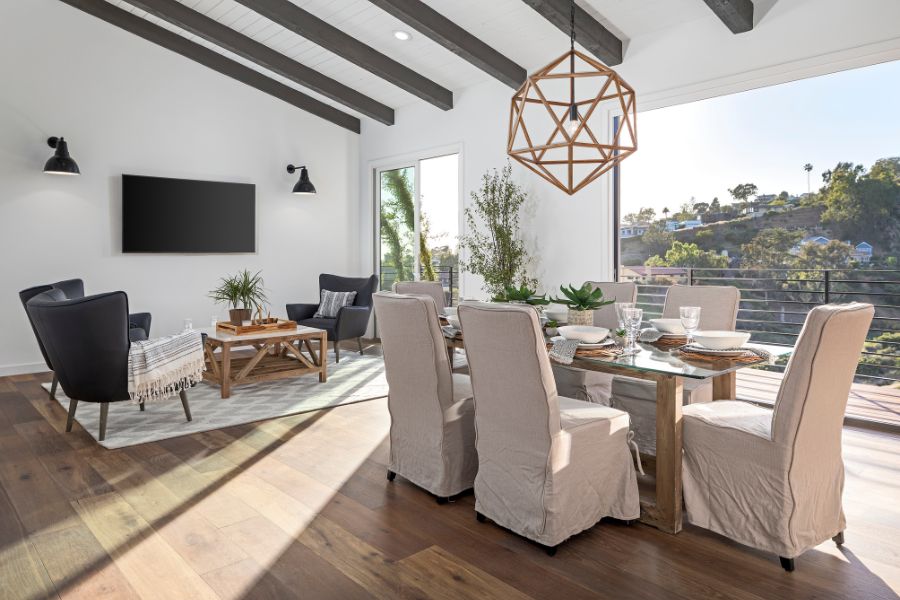
Have you ever stood in your dining room wondering if your overhead light hangs too low or too high? Lighting sets the entire mood for your meals, family gatherings, and late-night chats with friends. Finding the right balance of brightness and style can completely change how your space feels every single day. Let us explore the essential design rules to fix your setup today and make your room shine.
Mastering the Basics of Chandelier Placement for Your Dining Room
Getting the exact Chandelier Placement right transforms your entire dining experience instantly and removes any awkward visual clutter. Poor lighting choices can ruin the mood completely, casting harsh shadows or leaving your gorgeous dining set sitting in total obscurity. When you master your dining table clearance, your entire dining room shines brilliantly and welcomes guests with open arms. Industry professionals at Lighting Concepts know that precise hanging heights prevent accidental head bumps during lively celebrations. Every single modern home needs balanced vertical proportions to ensure the furniture and lighting work together seamlessly. Without careful attention to these foundational measurements, your interior design scheme can easily feel uncoordinated and disjointed. Taking time to plan your layout upfront saves you from frustrating adjustments and costly electrical mistakes later on.
The golden rule for chandelier hanging height starts right above the center of your furniture piece. For standard eight-foot ceilings, interior designers recommend hanging your fixture so the bottom sits thirty inches high. This specific measurement protects heads during lively dinner conversations and keeps guests comfortable. High ceilings require extra inches for balance to prevent the light from floating away into empty vertical space. Think of this process as simple scaling that matches your fixture size to the room dimensions. Your fixture positioning should never feel awkward, heavy, or out of place when anyone walks in.
Understanding Proportions and Ceiling Height Ratio
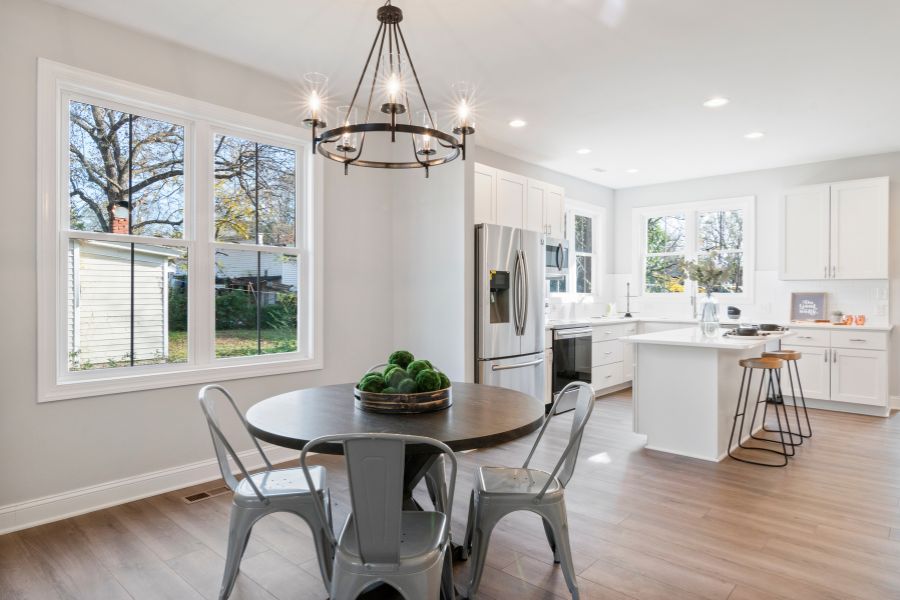
Every single home features unique architectural quirks, tricky wall angles, and varying floor plans that demand customized solutions. Measure your floor to ceiling distance carefully with a trusty tape measure before buying any lighting hardware. If your dining table is exceptionally thick or features an ornate pedestal base, you must adjust your numbers. Wondering how high to hang a chandelier over a dining table is totally normal for homeowners undertaking upgrades. Sticking strictly to thirty to thirty-six inches provides a reliable safety margin for most standard spaces. Proper light fixture installation ensures total visual harmony and gives your dining space a polished, magazine-worthy finish.
Scale and width matter just as much as vertical height when curating a cohesive interior aesthetic. A tiny light fixture looks completely lost over a huge banquet table and fails to provide adequate coverage. Match your fixture width to approximately half or two-thirds of your total dining table width. This smart proportion anchors the entire dining ensemble nicely and creates an inviting focal point. Balancing these physical dimensions prevents your overhead light from overwhelming the delicate tableware and chairs below it.
Ensuring Safety During Light Fixture Installation
Tackling home wiring projects requires absolute safety, steady hands, and plenty of patience from the installer. Always shut off your main circuit breaker first to prevent any electrical accidents while working overhead. Test your ideal distance between chandelier and dining table carefully before securing any permanent connections. Have a trusted friend hold the fixture up so you can evaluate the drop from every seated angle. Eyeball every single angle and alignment point before tightening down the mounting hardware completely.
Even seasoned professionals sometimes make mistakes when measuring drop lengths alone on a high ladder. Never cut your electrical suspension cords or chains too short right away on your first attempt. Always leave a few extra wire links tucked safely inside the ceiling canopy for future height adjustments. Finding the standard height for dining room chandelier setups takes time and thoughtful visual testing. Sloped or vaulted ceilings need special angled adapters to ensure your lighting fixture hangs perfectly straight.
Creating Atmosphere Through Dining Room Illumination
Layered illumination creates a rich tapestry of light that enhances every meal and social gathering. Pair your striking overhead piece with warm wall sconces, subtle buffet lamps, or modern accent lights. Smart dimmers let you shift room moods instantly from bright breakfast lighting to romantic dinner ambiance. Great dining room illumination adapts smoothly to any evening activity or seasonal holiday celebration. Overhead lighting sets the ultimate mood for your home interior when paired with thoughtful layered sources. Just as you avoid online shopping red flags when buying decor accessories, planning your setup carefully prevents costly mistakes.
Perfecting Your Overhead Lighting Layout
Wondering how to position a chandelier over a table precisely comes down to symmetry and room geometry. Center your decorative fixture right over the exact middle of your dining furniture arrangement. Never align your lighting piece awkwardly with the surrounding room walls if your table sits off-center. This thoughtful central placement creates natural visual symmetry and distributes illumination evenly across all seats.
Frequently Asked Questions
What is the ideal hanging height for a dining room chandelier?
Place the bottom thirty to thirty-six inches above your table surface.
How do I determine the correct width for my light?
Make it half to two-thirds your overall dining table width.
Should I adjust the height for high ceilings?
Add three inches for every foot above eight feet.
How do I figure out how to position a chandelier?
Center it directly over the dining table focal point.
