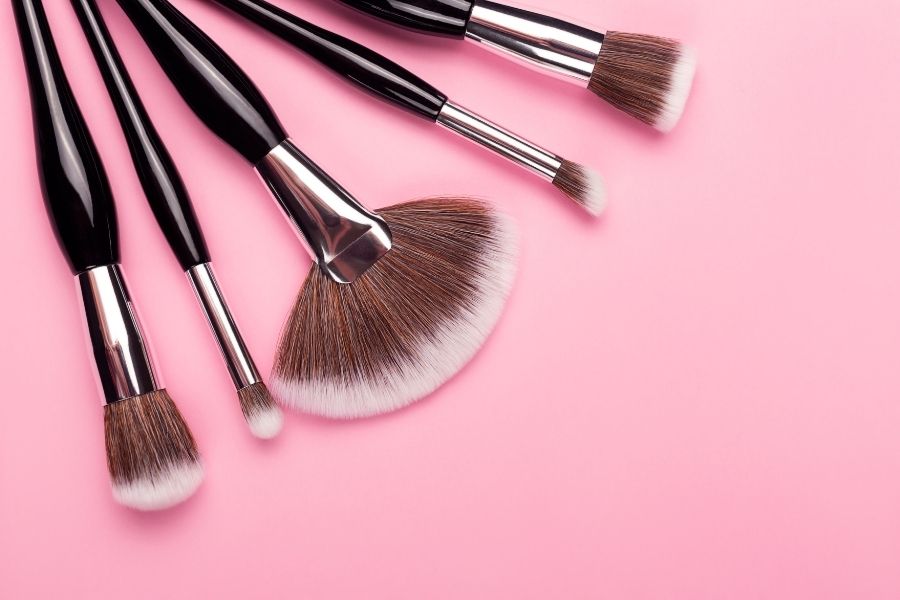
Makeup brushes are confusing as hell, aren’t they? Walk into any beauty store and you’re hit with walls of brushes that all look pretty much the same but cost wildly different amounts. I’ve been there, staring at a 30-piece set wondering if I really need a brush specifically designed for my left nostril (spoiler alert: you don’t).
Here’s what nobody tells you: most of those fancy brush sets are pure marketing fluff. You know how your grandmother probably did her makeup with three brushes and looked flawless? She was onto something. The secret isn’t having every brush ever made, it’s knowing which makeup brushes actually earn their spot on your vanity.
I’m going to save you from the brush overwhelm and break down exactly which makeup brushes you should buy, which ones are total wastes of money, and why your makeup routine is probably more complicated than it needs to be. No more buying brushes that sit in a drawer feeling guilty about the money you spent.
Foundation Makeup Brushes That Actually Work
Let’s start with the base because if you mess this up, everything else looks terrible no matter how many fancy makeup brushes you own. Foundation application separates the amateurs from people who look like they have their life together.
Flat Makeup Brushes for Foundation: The Workhorses
A flat foundation brush with tightly packed synthetic bristles is like having a tiny painter’s brush for your face. These makeup brushes let you build coverage bit by bit instead of slapping everything on at once like you’re frosting a cake.
I love these because you can actually control where the product goes. Want more coverage on that stubborn blemish? Pat it on. Want to keep your cheeks looking natural? Use less pressure. It’s honestly revolutionary once you stop trying to blend everything with your fingers like a caveman.
The trick is using little pressing motions instead of dragging the brush around. Dragging just moves your skincare around and creates those awful streaky lines that make you look like you applied foundation in the dark.
Buffer Brushes: For When You Want to Look Airbrushed
Buffer brushes have those dense, rounded heads that work magic with liquid foundation. These makeup brushes are basically like having a professional airbrush system without the noise and setup. You just buff the product into your skin in circular motions and suddenly you look like you have naturally perfect skin.
When you’re shopping for a buffer brush, squeeze the bristles. They should bounce back and feel substantial, not like they’re going to fall apart after three uses. Synthetic bristles work better here because they don’t soak up half your foundation like a thirsty sponge.

Eye Makeup Brushes That Don’t Require a Degree
Eye makeup is where people lose their minds and buy seventeen different makeup brushes for one eyelid. Let me simplify this for you: you need three brushes max to create any eye look from “I woke up like this” to “I’m going to a Met Gala after-party.”
Shader Brushes: Your Color-Packing Heroes
A shader brush is about the width of your thumbnail with a flat, slightly rounded shape. These makeup brushes are your heavy lifters for getting eyeshadow where you want it with actual color payoff instead of that sad, barely-there wash you get with drugstore applicators.
Pat the color on instead of sweeping it around like you’re painting a fence. Patting gives you even coverage and prevents that annoying fallout that ruins your perfectly applied foundation. Quality shader brushes feel soft but not floppy, like they have some backbone.
Blending Brushes: The Magic Wands
Every makeup artist has multiple blending brushes because they’re the difference between looking like you know what you’re doing and looking like you let a toddler loose with finger paints. These fluffy, rounded makeup brushes smooth out harsh lines and create those gorgeous gradient effects you see on Instagram.
Use them in windshield wiper motions in your crease. Start with a tiny bit of color and build up gradually. You can always add more, but scrubbing off too much color while your mascara is already on? That’s a special kind of morning frustration.
Detail Brushes: For the Perfectionist in You
Detail brushes are those tiny, precise makeup brushes that handle the fiddly bits. Lower lash line, inner corner highlights, cleaning up edges that got a little wonky. They’re like having a makeup eraser that only fixes the parts you want to fix.
A good detail brush should feel controlled, not like you’re trying to apply makeup with a wet noodle. These are the brushes that make the difference between “I tried” and “I nailed it.”
Face Makeup Brushes for Sculpting Without Looking Ridiculous
Face makeup brushes are where you can really go overboard if you let yourself. The beauty industry wants you to believe you need separate brushes for highlighting your cheekbones, your nose bridge, your chin, and probably your elbows. Here’s what you actually need.
Powder Brushes: The Finishing Touch
A big, fluffy powder brush sets everything and keeps you from looking like a grease slick by noon. These makeup brushes should feel like clouds against your face because you’re sweeping them everywhere. If your powder brush feels scratchy, throw it out immediately.
Always tap off excess powder before applying it to your face. Too much powder makes you look like you fell face-first into a flour bin. The goal is a light dusting that locks everything down while still looking like actual skin.
Blush Brushes: Adding Life to Your Face
Blush brushes are the goldilocks of makeup brushes, not too big, not too small, just right for adding color without looking like you stuck your face in a rose bush. They should have a slight taper so you can follow the curve of your cheekbones naturally.
Good blush brushes let you build color slowly. Start with barely any product and work up to the intensity you want. It’s much easier than trying to blend out clown cheeks because you went heavy-handed right off the bat.
Contour and Highlight Brushes: The Drama Makers
Contour brushes usually have angled or tapered shapes that fit into the hollows of your cheeks and along your jawline. They should feel firm enough to blend products smoothly but not so stiff they feel like scrub brushes.
Highlight brushes are smaller and denser to deliver concentrated shimmer exactly where you want it. They should give you smooth, even application without messing up the makeup underneath. Nobody wants patchy highlight that looks like you dabbed glitter glue on your face.
Natural vs Synthetic: The Makeup Brush Material Showdown
This is where things get unnecessarily complicated because everyone has opinions about makeup brush bristles like they’re debating world politics. Here’s the simple truth: both natural and synthetic makeup brushes can be amazing or terrible depending on quality and how you use them.
Natural bristles are great at grabbing powder products and blending them smoothly. They’re made from animal hair, so they naturally pick up and distribute pigment well. The downside? They need more babying and don’t play nicely with liquid products.
Synthetic bristles are the workhorses of the makeup brush world. They work with everything, they’re easier to clean, and modern synthetic makeup brushes can feel just as soft as natural ones. Plus, no animals involved, which is a nice bonus.
Most professional makeup artists now use synthetic makeup brushes for their versatility and reliability. They perform consistently and don’t have bad hair days like natural bristles sometimes do.
Building Your Makeup Brush Collection Without Going Broke
You don’t need to drop your rent money on makeup brushes to get professional results. Start with five essential makeup brushes: foundation, powder, shader, blender, and blush. These will handle 95% of your makeup routine and let you experiment without a huge investment.
Add specialized makeup brushes later as you figure out what you actually use versus what you think you should use. I have friends with $500 brush collections who still use the same three brushes every single day. Don’t be that person.
Expensive makeup brushes don’t automatically make you better at makeup. I’ve seen people create stunning looks with drugstore brushes and disasters with luxury tools. Focus on finding makeup brushes that feel comfortable and work with your products.
Makeup Brush Care That Actually Matters
Dirty makeup brushes are gross, perform terribly, and can break you out. Clean brushes apply makeup better, last longer, and don’t harbor bacteria that turns your face into a science experiment gone wrong.
Quick daily cleaning with brush cleanser or micellar water keeps your makeup brushes functional between deep cleans. Just swirl them on a tissue or cloth to remove product buildup and prevent muddy colors when you switch shades.
Weekly deep cleaning with brush shampoo or gentle regular shampoo gets rid of everything that builds up over time. Reshape the bristles while they’re wet and lay them flat to dry. Don’t dry them upright in a cup unless you want loose bristles falling out everywhere.
Store your makeup brushes so the bristles don’t get crushed or bent. Brush rolls, cups, or magnetic holders all work as long as they protect the shape you paid for.
When to Spend vs When to Save on Makeup Brushes
Makeup brush prices are all over the map, and expensive doesn’t always mean better. Some drugstore makeup brushes outperform luxury ones, while some high-end brushes are worth every penny.
Invest in makeup brushes you use every single day like foundation, powder, and blending brushes. These get the most wear and tear, so quality construction and materials actually matter. Cheap daily-use brushes fall apart quickly and perform poorly.
Save money on specialty makeup brushes you’ll use occasionally. That perfect winged liner brush that costs $40? Start with a $5 version and upgrade later if you find yourself using it constantly.
Mid-range makeup brushes often hit the sweet spot of good quality without luxury markup. Do your research, read actual user reviews, and don’t get caught up in brand hype.
The Bottom Line on Makeup Brushes
Stop overthinking your makeup brush collection. You need a handful of quality tools that work with your products and skill level, not a museum display that looks impressive but stresses you out every morning.
Your grandmother was right: good technique with basic tools beats fancy equipment used poorly. Master these essential makeup brushes, keep them clean, and stop buying brushes you’ll never use. Your wallet and your vanity will thank you, and you might actually enjoy doing your makeup again instead of feeling overwhelmed by all the choices.
Now go forth and create some makeup magic with brushes that actually earn their keep.