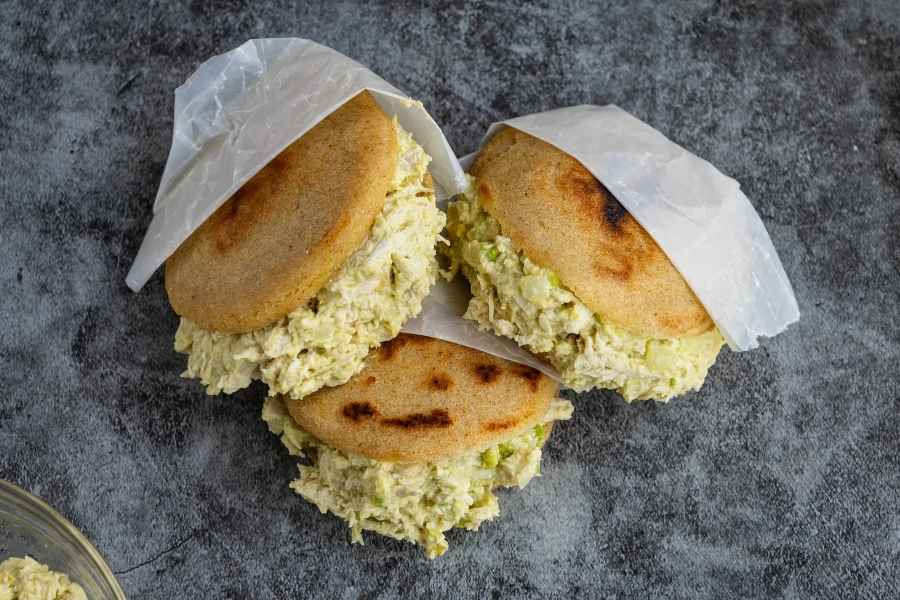
Food photography has become the secret weapon that separates ordinary beauty bloggers from those who command millions of followers. You’ve probably scrolled through Instagram and wondered how some creators make even the simplest smoothie bowl look like a work of art while your attempts fall flat. The truth is, mastering the art of capturing food isn’t just about having an expensive camera or perfect lighting. It’s about understanding the subtle dance between composition, storytelling, and that indefinable quality that makes viewers stop scrolling and start engaging. When you nail food photography, you’re not just documenting what you ate. You’re creating visual narratives that speak to your audience’s deepest desires for beauty, wellness, and the perfectly curated lifestyle they aspire to live.
The beauty industry has evolved dramatically, and today’s most successful bloggers understand that their content ecosystem extends far beyond makeup tutorials and skincare routines. Your morning matcha latte, your post-workout protein smoothie, and your carefully arranged charcuterie board have become integral parts of your brand story. These moments offer authentic glimpses into your lifestyle while providing endless opportunities for brand partnerships with food companies, wellness brands, and lifestyle products that align with your aesthetic vision.
Why Food Photography Matters for Your Beauty Brand
Think of food photography as the bridge between your beauty content and your authentic lifestyle. When you share a perfectly styled breakfast alongside your morning skincare routine, you’re painting a complete picture of the aspirational life your audience craves. This holistic approach to content creation doesn’t just increase engagement rates. It positions you as a lifestyle authority rather than just another beauty reviewer in an oversaturated market.
Your audience doesn’t just want to see the lipstick you’re wearing. They want to understand how that lipstick fits into the broader narrative of your day, your values, and your approach to living beautifully. When you master Instagram food styling, you create multiple touchpoints throughout your content that keep viewers engaged longer and encourage them to explore more of your feed.
Essential Equipment for Beauty Blogger Food Photography
The equipment landscape for food photography has shifted dramatically in recent years. While professional photographers might insist on expensive DSLR cameras and studio lighting setups, you can create stunning content with tools you likely already own. Your smartphone, when used correctly, can produce images that rival those shot with cameras costing thousands of dollars.
However, certain accessories can dramatically elevate your food photography game. A simple ring light can transform harsh shadows into soft, flattering illumination that makes your food look as appetizing as it tastes. Reflectors, which can be as simple as white poster boards or professional collapsible versions, help you manipulate light to create the exact mood your image demands. The key isn’t having the most expensive gear. It’s understanding how to use whatever tools you have to their maximum potential.

Smartphone vs DSLR for Food Photography Content
Modern smartphones have democratized professional food photography in ways that seemed impossible just a few years ago. The latest iPhone and Android devices feature computational photography capabilities that automatically adjust for lighting conditions, apply subtle filters, and even suggest optimal compositions. These built-in features make it possible to shoot, edit, and publish stunning food content without ever touching a computer.
However, DSLR cameras still offer advantages that smartphones cannot match. The ability to control depth of field with precision, swap lenses for different creative effects, and capture images in RAW format for extensive post-processing gives you creative flexibility that can set your content apart from the masses. The choice between smartphone and DSLR often comes down to your specific content goals, budget constraints, and how much time you want to invest in the technical aspects of photography.
Mastering Natural Lighting for Food Photography
Natural light remains the holy grail of food photography, and understanding how to harness it can transform your content from amateur to professional in appearance. The golden hours just after sunrise and before sunset provide warm, soft light that makes food look incredibly appealing. But you don’t need to limit your shooting to these narrow windows. Overcast days create natural softboxes that eliminate harsh shadows and provide even, flattering light for your subjects.
Window light can be your best friend when shooting indoors. Position your food near a large window, but avoid direct sunlight which creates harsh shadows and uneven exposure. Diffused window light creates that coveted soft, even illumination that food photographers spend thousands of dollars trying to recreate in studios. Experiment with different angles relative to your light source to create various moods and styles in your images.
Creating Consistent Food Photography Lighting
Consistency in your lighting approach helps establish a recognizable visual brand that your audience will begin to associate with your content. Whether you prefer bright, airy images or moody, dramatic shots, maintaining a consistent lighting style across your feed creates cohesion that professional brands value when considering influencer partnerships.
Consider investing in simple lighting modifiers that help you recreate your preferred look regardless of weather conditions or time of day. A basic lighting kit with softboxes or umbrellas can provide consistent results that match the quality of natural light when outdoor shooting isn’t possible. The goal isn’t to replace natural light entirely but to have backup options that maintain your visual consistency.
Food Photography Composition Techniques That Convert
Instagram food composition goes far beyond simply centering your dish in the frame. The rule of thirds, leading lines, and negative space all play crucial roles in creating images that capture and hold viewer attention. But more importantly, your composition choices should guide the viewer’s eye toward the most important elements of your story.
Consider the psychological impact of different compositional approaches. Overhead shots create an editorial, magazine-like quality that works particularly well for flat lay styling and multiple food items. 45-degree angle shots provide a more natural, human perspective that can make viewers feel like they’re sitting across from you at the table. Straight-on shots work best for tall subjects like smoothies, parfaits, or layered desserts where you want to showcase vertical elements.
The Psychology Behind Engaging Food Photography Layouts
Understanding viewer psychology can dramatically improve your food photography engagement rates. People’s eyes naturally follow certain patterns when viewing images, and you can use these patterns to direct attention toward specific elements like product placements or call-to-action text overlays. The Z-pattern and F-pattern are reading behaviors that translate directly to how people consume visual content on social media platforms.
Color psychology also plays a significant role in how your audience responds to your content. Warm colors like oranges and reds create feelings of energy and appetite stimulation, while cool colors like blues and greens convey freshness and health. By understanding these psychological triggers, you can make intentional choices about your color palettes that support your overall brand messaging and content goals.
Styling Props and Backgrounds for Food Photography
The props and backgrounds you choose become silent storytellers in your food photography narratives. These elements shouldn’t compete with your food for attention but rather support and enhance the overall story you’re trying to tell. A rustic wooden cutting board might convey wholesome, natural living values, while sleek marble surfaces communicate luxury and sophistication.
Your prop collection doesn’t need to be extensive or expensive to be effective. Thrift stores, discount retailers, and even items from around your home can serve as compelling photographic elements when used thoughtfully. The key is developing an eye for how different textures, colors, and shapes interact with each other and with your food subjects.
Building a Food Photography Prop Collection on a Budget
Budget-friendly food styling requires creativity more than capital. Mason jars, vintage plates from estate sales, and even interesting textiles can transform ordinary food into extraordinary visual content. Look for props that serve multiple purposes and can be styled in various ways to maximize your investment.
Consider the longevity of your prop choices. While trendy items might work for current content, classic pieces that complement multiple styling approaches will serve you better over time. Neutral colors and timeless designs ensure your props won’t date your content or limit your creative options as your style evolves.
Color Theory in Food Photography for Beauty Bloggers
Understanding color harmony in food photography can elevate your content from good to absolutely stunning. Complementary colors create vibrant, eye-catching contrasts that make images pop on crowded social media feeds. Analogous color schemes provide more subtle, sophisticated palettes that convey elegance and refinement.
Your color choices should align with your overall brand aesthetic while also considering the psychological impact you want to achieve. Monochromatic schemes can create powerful, minimalist images that focus attention on texture and form rather than color. Color temperature consistency across your feed helps establish a recognizable visual brand that followers will begin to associate specifically with your content.
Seasonal Color Palettes for Food Photography Content
Adapting your food photography color schemes to match seasonal trends keeps your content fresh and relevant throughout the year. Spring palettes featuring fresh greens and soft pastels complement the renewal themes popular in beauty content during this season. Summer’s bright, saturated colors match the energy and vibrancy that audiences crave during warmer months.
Fall and winter palettes offer opportunities to explore richer, more dramatic color combinations that can make your content stand out when much of social media shifts toward these deeper tones. By planning your color approaches seasonally, you can ensure your content feels timely and relevant while maintaining your distinctive visual brand.
Editing Food Photography Like a Pro
Post-processing food photos can make the difference between amateur-looking content and images that could grace magazine covers. However, the goal should always be enhancement rather than complete transformation. Over-editing can make food look artificial and unappetizing, which works against your ultimate goal of creating content that inspires and engages your audience.
Start with basic adjustments like exposure, contrast, and saturation before moving to more advanced techniques. Food photo editing apps like VSCO, Lightroom Mobile, and Snapseed offer powerful tools that can dramatically improve your images without requiring extensive technical knowledge. The key is developing a consistent editing style that becomes part of your visual brand signature.
Creating Consistent Food Photography Filters
Developing signature Instagram food filters helps establish visual consistency across your content while saving time during the editing process. Whether you prefer bright and airy aesthetics or moody and dramatic looks, creating preset filters that match your brand style ensures every image fits seamlessly into your overall feed aesthetic.
Consider how your filter choices interact with different types of food and lighting conditions. A filter that works beautifully for fresh fruits and vegetables might not be as flattering for baked goods or savory dishes. Having multiple preset options that all align with your brand aesthetic gives you flexibility while maintaining consistency.
Food Photography Trends Beauty Bloggers Should Know
Staying current with trending food photography styles helps ensure your content feels fresh and relevant to your audience. However, blindly following every trend can dilute your personal brand and leave you constantly chasing rather than leading in your content space. The key is identifying which trends align with your existing brand aesthetic and can be authentically integrated into your content strategy.
Current trends include minimalist food styling, dramatic lighting setups, and interactive content that encourages audience participation. Behind-the-scenes food preparation content has gained significant traction as audiences increasingly crave authentic, unpolished moments that balance the perfection of final styled shots.
Balancing Trendy and Timeless Food Photography Elements
The most successful beauty bloggers understand how to incorporate trending elements without sacrificing the timeless qualities that give their content longevity. While trendy props or editing styles might generate short-term engagement spikes, classic food photography principles ensure your content remains valuable and shareable long after specific trends fade.
Focus on mastering fundamental techniques like lighting, composition, and storytelling before layering on trendy elements. This approach ensures your content has a solid foundation that will remain strong even as surface-level trends evolve and change.
Your journey into mastering food photography as a beauty blogger isn’t just about taking prettier pictures of your meals. It’s about expanding your storytelling capabilities, creating more opportunities for brand partnerships, and building a more comprehensive lifestyle brand that resonates with your audience on multiple levels. The skills you develop through food photography will enhance every aspect of your visual content creation, from product styling to behind-the-scenes moments. Remember, every expert was once a beginner who wasn’t afraid to experiment, make mistakes, and keep improving. So grab your camera, style that smoothie bowl, and start creating the visual stories that will set your brand apart in an increasingly competitive digital landscape. After all, isn’t life too short for boring food photos?