You know that feeling when you discover something that sounds too good to be true? That’s exactly what happened when I first heard about bakuchiol. Here’s this plant extract with an impossible-to-pronounce name that supposedly does everything retinol does, minus the peeling, redness, and general face drama that comes with it.
Let’s be honest – we’ve all been burned by skincare promises before. Remember when snail mucin was going to solve all our problems? Or when everyone was rubbing crushed pearls on their face? But bakuchiol feels different. Maybe it’s because dermatologists are actually getting excited about it, or maybe it’s because the research is pretty solid. Either way, this weird-sounding ingredient has been quietly winning over people who thought they’d never find a retinol alternative that actually works.
I’ve spent the last few months diving deep into everything bakuchiol – the science, the hype, the real user experiences – and honestly? I’m kind of impressed. Sure, it’s not going to magically erase decades of sun damage overnight, but for those of us tired of playing retinol roulette with our faces, it might just be the answer we’ve been looking for.
So What Is This Stuff Anyway Bakuchiol
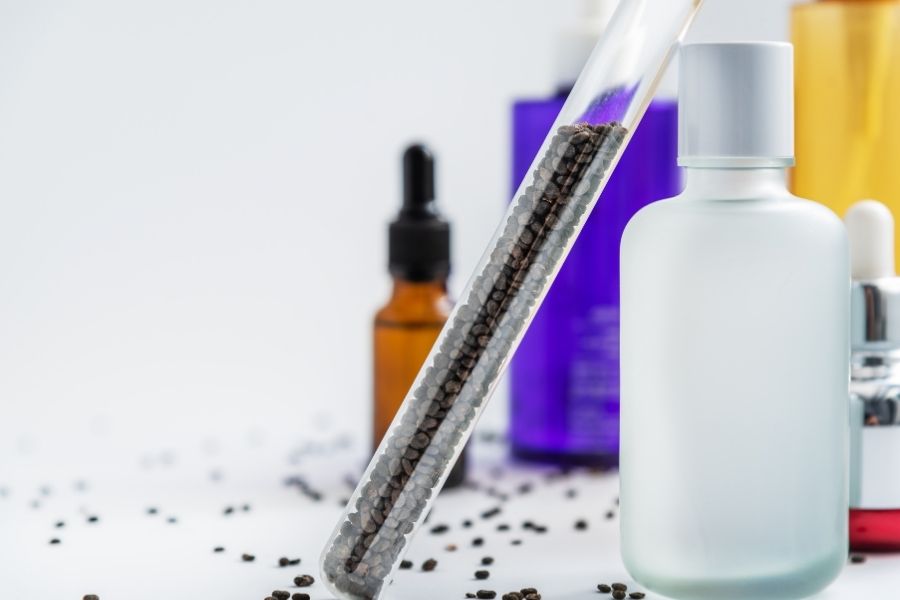
Bakuchiol comes from a plant called Psoralea corylifolia, which has been used in traditional medicine for literally thousands of years. The plant itself isn’t much to look at – just purple flowers and ordinary-looking leaves – but inside those seeds is where the magic happens.
What’s wild is that ancient healers were using this plant to treat skin problems way before anyone knew what collagen was or understood how aging actually works. They just knew it helped people’s skin look better. Sometimes traditional medicine gets it right long before science catches up.
The bakuchiol we use in skincare today gets extracted from these seeds through a pretty sophisticated process. It’s not like you can just grind up some babchi seeds in your kitchen and call it a day. The extraction has to preserve all the good stuff while filtering out anything that might irritate your skin.
Here’s what blew my mind: bakuchiol doesn’t actually look anything like retinol on a molecular level. They’re completely different substances that somehow end up doing similar things to your skin. It’s like two totally different routes leading to the same destination – which explains why bakuchiol can give you retinol-like results without retinol-like side effects.

The Science Part (Don’t Worry, I’ll Keep It Simple)
Okay, let’s talk about how bakuchiol actually works, because this is where things get really interesting. When researchers first started studying it, they expected it to work just like retinol – same pathways, same mechanisms, just from a plant instead of a lab.
Wrong. Bakuchiol does its own thing entirely. While retinol works by binding to specific receptors in your skin cells, bakuchiol takes a completely different approach. It stimulates collagen production through different genetic pathways, almost like it’s speaking a different language to your skin cells but somehow getting the same message across.
There was this study that compared bakuchiol head-to-head with retinol over 12 weeks. Same improvements in wrinkles, firmness, and skin tone – but the bakuchiol group didn’t deal with all the irritation and redness. That’s when people started paying attention.
The antioxidant thing is another huge plus. Retinol can actually make your skin more sensitive to sun damage (which is why you’re supposed to use it at night and slather on sunscreen). Bakuchiol works the opposite way – it actually helps protect your skin from environmental damage. You can use it in the morning without worrying about turning into a lobster if you forget your SPF.
Plant-based retinol alternative products also seem to help with uneven skin tone and dark spots, but they do it by helping your skin regulate melanin production instead of just blocking it entirely. It’s a more balanced approach that leads to more natural-looking results.
Bakuchiol vs. Retinol: The Real Talk
Let’s cut through the marketing hype and talk about how bakuchiol really compares to retinol. Because if you’re thinking about making the switch, you deserve the honest truth.
Retinol has been the gold standard for decades. It works, period. Tons of research, proven results, dermatologists swear by it. But man, it can be brutal to use. The “retinol uglies” are real – that phase where your skin looks worse before it gets better can last weeks or even months. Plus, you have to use it at night, baby your skin, avoid the sun, and basically restructure your entire routine around this one ingredient.
Natural bakuchiol takes a gentler approach. You get many of the same benefits – smoother skin, fewer fine lines, better texture – but without feeling like you’re putting acid on your face. Most people can start using bakuchiol without any adjustment period. No peeling, no redness, no hiding indoors until your skin calms down.
The stability factor is huge too. Retinol is incredibly finicky. Light destroys it, air destroys it, heat destroys it. That’s why it comes in those dark bottles and costs a fortune. Bakuchiol is much more stable, which means it’s easier to formulate into products and less likely to lose its effectiveness sitting in your medicine cabinet.
But let’s be real – retinol still has some advantages. It’s been studied longer, some dermatologists think it’s more effective for severe aging or acne, and if your skin can handle it, the results can be pretty dramatic. Bakuchiol is more of a steady, consistent improvement rather than the sometimes dramatic transformation you might see with retinol.
The pregnancy thing is important too. Retinol is off-limits when you’re pregnant or breastfeeding, but bakuchiol is generally considered safe. That alone makes it a game-changer for a lot of women who don’t want to pause their anti-aging routine during those times.
Who Should Jump on the Bakuchiol Train?
If you’ve got sensitive skin, bakuchiol might change your life. Seriously. All those people who desperately want the benefits of retinol but can’t handle the irritation – this is for you. Rosacea, eczema, or just generally cranky skin that freaks out at the slightest provocation.
Pregnant and breastfeeding moms are obvious candidates. You want to keep your skin looking good, but you can’t use half the ingredients in your old routine. Bakuchiol skincare benefits include all the anti-aging stuff you want without the pregnancy concerns.
If you’re someone who wants to use anti-aging ingredients during the day, bakuchiol is perfect. No photosensitivity means you can apply it in the morning and go about your day without extra precautions. This is huge for people who struggle with nighttime-only routines or who want round-the-clock anti-aging action.
Clean beauty enthusiasts love bakuchiol because it’s plant-derived but still scientifically proven. You’re not choosing between “natural” and “effective” – you get both.
Even if you’re already using retinol successfully, you might want to consider bakuchiol. Some people use both – bakuchiol during the day, retinol at night. Others switch to bakuchiol during summer months when their skin is more sensitive from sun exposure.
Actually Using This Stuff
Adding bakuchiol to your routine is refreshingly simple compared to the careful choreography required with retinol. You don’t need to overhaul everything – just slot it in where it makes sense.
Start slow anyway, even though bakuchiol is gentle. Try it three nights a week at first, just to see how your skin reacts. Most people don’t have any issues, but it’s always smart to ease into new ingredients.
The layering is straightforward. Bakuchiol plays well with pretty much everything – vitamin C, niacinamide, hyaluronic acid, chemical exfoliants. You don’t need a PhD in cosmetic chemistry to figure out what goes with what.
Morning use is where bakuchiol really shines. Cleanse, apply your bakuchiol serum or moisturizer, add whatever other products you use, then sunscreen. Done. No special timing, no avoiding certain ingredients, no extra precautions.
For evening routines, treat it like any other serum – after cleansing and toning, before moisturizer. If you’re using other actives, you can usually use them together, but introduce one new thing at a time so you know what’s working.
Natural bakuchiol products come in different forms – serums, moisturizers, oils. Serums tend to be more concentrated, while moisturizers are more convenient if you want to simplify your routine. Pick what works for your preferences and lifestyle.
What Actually Happens When You Use Bakuchiol
Let’s get real about timelines, because skincare isn’t magic (despite what Instagram wants you to believe). Bakuchiol works, but it takes time, just like any legitimate anti-aging ingredient.
The first couple weeks are pretty boring. Your skin adjusts, you get used to the new routine, maybe you notice your skin feels a bit more hydrated or looks slightly brighter. Don’t expect miracles yet.
Weeks 3-6 are when things start getting interesting. Your skin texture might improve, that dull look starts fading, fine lines look a bit softer. Some people notice their skin looks more “plump” or healthy during this phase.
The 8-12 week mark is when bakuchiol typically shows its real potential. This is when clinical studies measure results, and it’s when most people see significant improvements in fine lines, firmness, and overall skin quality. Dark spots start fading, and your skin just looks more youthful.
Beyond three months, the benefits keep building. Like retinol, bakuchiol works cumulatively – the longer you use it consistently, the better your results. People who stick with it long-term often find their skin maintains that healthy, resilient look that just makes you look younger overall.
Everyone’s different though. Some people see changes within the first month, others need the full 12 weeks. Age, skin condition, product concentration, and your overall routine all play a role in how quickly you’ll see results.
The bottom line? Bakuchiol isn’t going to transform your skin overnight, but it can definitely improve it over time – without all the drama that comes with traditional retinol. For a lot of people, that trade-off is totally worth it.